
Condensation on Windows Before Spring: How New uPVC Windows Can Help Midlands Homes
Condensation on Windows Before Spring
Noticing Condensation on Your Windows Before Spring? Here’s What It Means for Your Home
If you’ve started waking up to condensation on your windows in late winter, you’re not alone. Many Midlands homeowners notice this issue before spring arrives, often just as the days feel slightly milder but the heating is still on overnight.
Wet windows first thing in the morning. Moisture collecting along the bottom of the glass. Bedrooms and living rooms feeling damp early in the day. It’s frustrating, especially if it didn’t seem this bad earlier in winter.
What matters is this: when condensation starts appearing regularly at this time of year, it’s rarely random. It’s usually a sign that your windows are no longer performing as they should.
This guide explains why this happens, why it often shows up before spring, and how replacing older windows with modern uPVC systems can stop condensation at the source - not just temporarily, but long term.
Why Condensation Appears Before Spring Midlands Homes
Late Winter and Early Spring Create the Perfect Conditions for Condensation
Late winter is when windows are under the most pressure.
Cold nights cool the glass significantly, while daytime temperatures begin to rise slightly.
Heating is still being used overnight, and everyday activities add moisture to the air.
When warm, moisture-laden air comes into contact with cold internal window surfaces, condensation forms.
As temperature swings become more noticeable towards spring, this moisture becomes harder to ignore.
This is why many homeowners first spot condensation in January or February, rather than earlier in winter.
Many homes across the Midlands still have windows installed 10–20 years ago.
While they may look fine, older uPVC frames and early double glazing often struggle to meet modern insulation standards.
These older systems commonly:
- Allow internal glass to become very cold
- Lose heat around frames and seals
- Offer limited or outdated ventilation
Once the glass surface cools too much, moisture in the air has somewhere to settle.
Wiping windows each morning might manage the symptom, but the underlying problem remains.
How New uPVC Windows Help Prevent Condensation Long-Term
Why Upgrade Your Windows? Improved Insulation Keeps Internal Glass Warmer
Condensation forms when there’s a significant temperature difference between indoor air and the window surface. Modern energy-efficient uPVC windows are designed to reduce that difference dramatically.
With improved glazing and insulation:
- Internal glass stays warmer
- Moisture has far fewer opportunities to form
- Rooms feel more comfortable overall
Many homeowners find that once new windows are installed, condensation simply stops appearing, even under the same weather conditions.
Modern uPVC Frames Reduce Heat Loss Around the Window
Today’s uPVC frames use multi-chamber designs that trap warmth and reduce cold transfer through the frame itself. This helps eliminate cold spots around windows, where condensation often forms first.
The result is:
- More consistent room temperatures
- Less moisture settling on glass
- Improved comfort, particularly overnight
Built-In Ventilation That Works Without Cold Draughts
Ventilation still plays an important role in managing moisture, but it needs to work alongside insulation - not against it.
Modern uPVC windows allow controlled ventilation that:
- Lets excess moisture escape
- Maintains airflow without creating draughts
- Helps balance humidity levels indoors
This approach avoids the need to open windows and lose heat, while still managing moisture effectively.
Why Replacing Windows Works When Temporary Fixes Don’t
Dehumidifiers, wiping windows, and opening vents can help manage moisture in the short term. But they don’t change how the window itself performs.
If condensation keeps returning, it’s usually because:
- The glass becomes too cold
- Heat escapes through frames and seals
- The window can no longer regulate temperature and moisture
Replacing older windows addresses all of these issues at once, rather than treating the symptoms every morning.
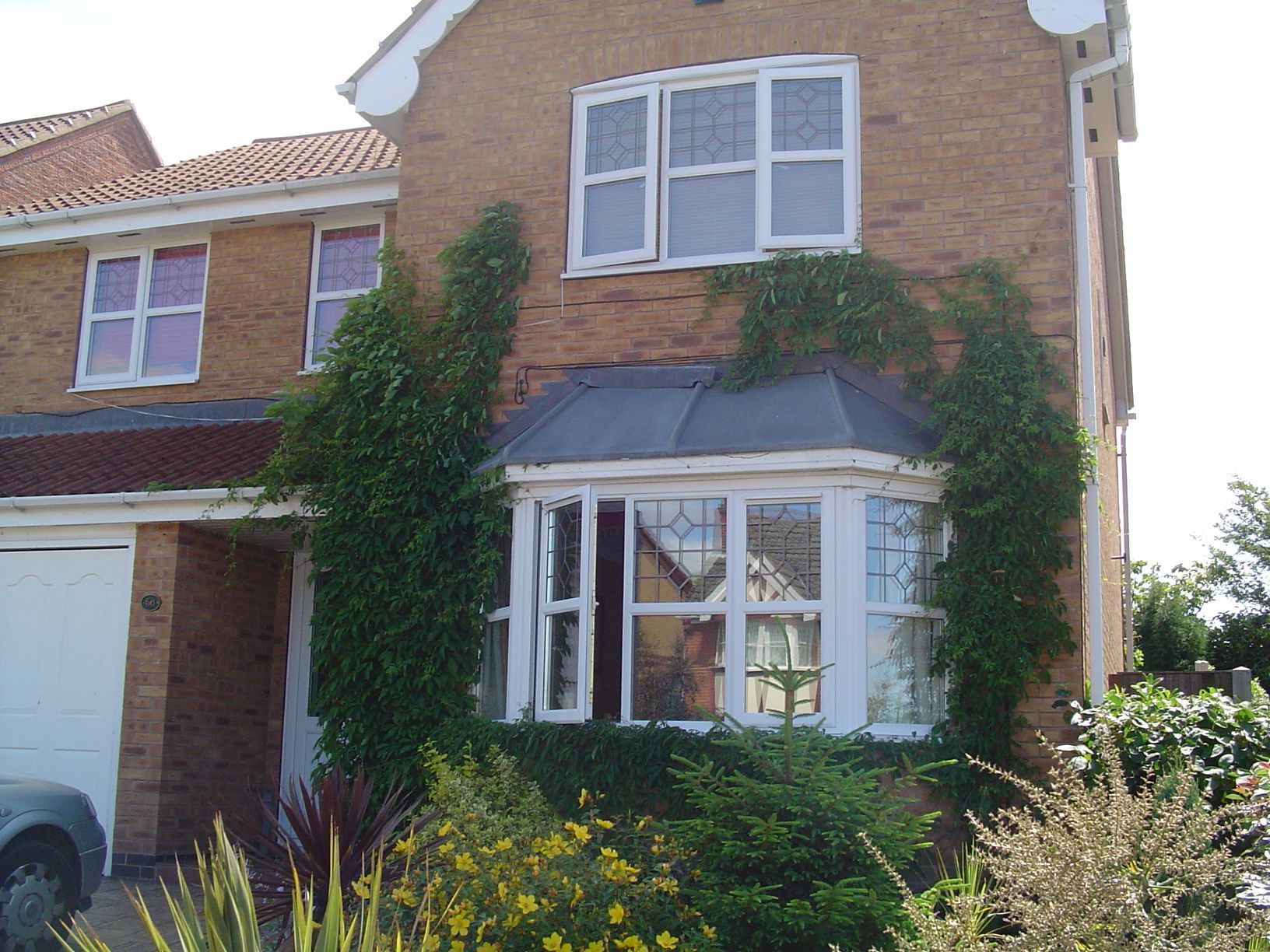
Acting Before Spring Prevents Condensation Returning Next Winter
Late Winter Is When Window Problems Reveal Themselves
By late winter, underperforming windows have been tested by months of cold weather and temperature changes. If condensation is appearing now, it’s a clear sign that the windows are struggling.
Addressing the issue at this stage:
- Improves comfort immediately
- Reduces moisture build-up
- Prevents condensation returning next winter
- Helps protect frames, walls, and internal finishes
Many homeowners choose to act now rather than waiting for the same problem to return - often worse - the following winter.
Ready to Transform Your Windows in 2026? Book Now.
Thinking about refreshing your windows?
A FREE Design Review is the best way to understand what will make the biggest difference.
Condensation on Windows: FAQs for Homeowners
Got A Question About Your Condensation? We’ve Answered Them Below
Will replacing my windows actually stop condensation - or just reduce it?
In most cases, replacing underperforming windows stops condensation completely or reduces it to a negligible level. Modern uPVC windows keep internal glass warmer and regulate moisture far more effectively than older systems.
During a FREE Design Review, Needhams can confirm whether replacement will fully resolve condensation in your home.
How do I know if condensation means my windows need replacing?
If condensation appears regularly - especially overnight or in bedrooms - it’s usually a sign the window is no longer insulating properly. Windows installed 10–20 years ago often struggle with today’s temperature swings.
Needhams can assess this during a Design Review.
Is condensation inside double glazed windows different from surface condensation?
Yes. Condensation between the panes indicates a failed seal and means the unit has lost its insulating properties. This requires replacement. Surface condensation usually points to poor overall window performance, which Needhams can diagnose and resolve.
Do I need to replace all my windows to fix condensation?
Not necessarily. Condensation often appears first on the weakest or oldest windows. Needhams helps homeowners prioritise replacements so the problem is addressed where it matters most, without unnecessary work.
Will new uPVC windows help with condensation in bedrooms?
Yes. Bedrooms are often the first rooms affected due to cooler overnight temperatures and limited airflow. Replacement uPVC windows help by keeping internal glass warmer and providing controlled ventilation.
Can ventilation alone fix condensation if I don’t replace my windows?
Ventilation helps manage moisture, but if windows are poorly insulated, condensation usually returns. Modern uPVC windows combine insulation and ventilation, delivering a more permanent solution.
How disruptive is replacing uPVC windows?
Most window replacements are completed within one to two days. Needhams works room by room, keeps disruption minimal, and ensures your home is secure and tidy throughout.
What happens during a FREE Design Review?
Needhams assesses your existing windows, explains why condensation is forming, and recommends solutions that deliver lasting improvements. You’ll receive clear advice and a no-obligation quote.
Click here to book your Free Design Review.
Trusted Replacement uPVC Window Installers Across the Midlands
Skilled and Experienced: Why Midlands Homeowners Choose Needhams
Choosing who to trust with your home matters. Needhams has been upgrading Midlands homes for decades, supplying and installing high-quality uPVC windows designed to perform in real British weather conditions.
Homeowners choose Needhams for:
- Proven experience with local housing styles
- Skilled, careful installation teams
- Long-lasting materials backed by strong guarantees
- Honest advice with a no-pressure approach
The focus is always on improving how your home feels - warmer, drier, quieter, and more comfortable all year round.
Experience
Craftsmanship
Peace of Mind
Reputation
Stop Condensation in Windows Today With uPVC Window Upgrade
Need To Get Rid Of Your Condensation? Book Your FREE Design Review Today
If condensation has started appearing on your windows before spring, it’s a sign your home is telling you something. The good news is that there’s a proven, long-term solution.
Replacing older windows with modern uPVC systems can transform how your home manages heat and moisture - delivering drier windows, warmer rooms, and greater comfort all year round.
If condensation on your windows has become a regular issue, a FREE Design Review is the best way to understand what’s really causing it and how to fix it properly.
During your Design Review, Needhams will:
- Assess your existing windows and glazing
- Identify insulation and ventilation issues
- Recommend replacement uPVC windows suited to your home
- Explain your options clearly, with no pressure
You’ll receive honest advice, practical recommendations, and a clear understanding of what will make the biggest difference.
Book your FREE Design Review today and take the first step towards a home that performs better, feels better, and stays comfortable whatever the season.
Book Your Free Design Review Today And Get Excited About Your Home's New Features
Our experts will speak at a time that suits you, understand your goals and recommend the upgrades that will deliver the most impact. You’ll receive clear advice, tailored options and a no-obligation quote so you can plan with confidence.
What Affects the Timeline to Build and Install a Conservatory - And What Happens During the Process?