
Do Composite Doors Improve Energy Efficiency? What Homeowners Should Know Before Replacing an Old Front Door
This article explains whether composite doors improve energy efficiency in the context of front door replacement and home improvements. It outlines insulation, draught reduction, and professional installation, including who it affects and what actions may be required. Whether you are replacing an old front door or looking for a more secure and energy efficient entrance, this guide provides clear insight into reducing heat loss and the practical considerations surrounding composite door construction, fitting, security and kerb appeal.
Replace Your Old Front Door With Something More Efficient, More Secure and Made to Last
If your front door feels cold, draughty or difficult to close properly, it could be affecting more than the look of your home.
Older external doors can allow heat to escape around the frame, seals, letterplate or threshold, making hallways and nearby rooms feel colder than they should.
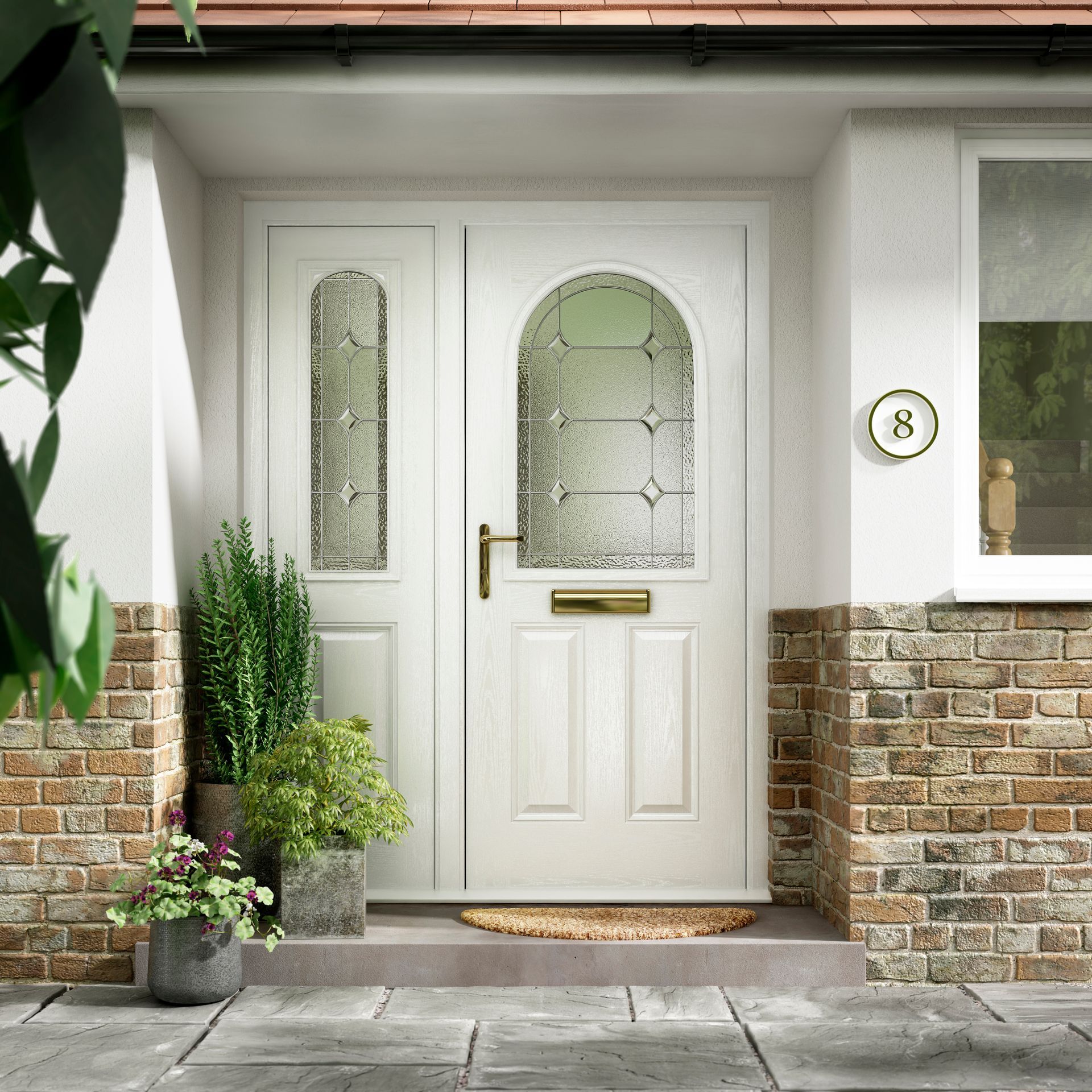
A modern composite door can be a practical upgrade for homeowners who want to improve energy efficiency without compromising on style. Designed with strong materials, insulated construction and secure fitting, composite doors can help reduce draughts, support better thermal performance and improve the overall appearance of your entrance.
In this guide, we’ll look at how composite doors can help with energy efficiency, what makes them different from older front doors, and what to consider if you are thinking about replacing a draughty external door.
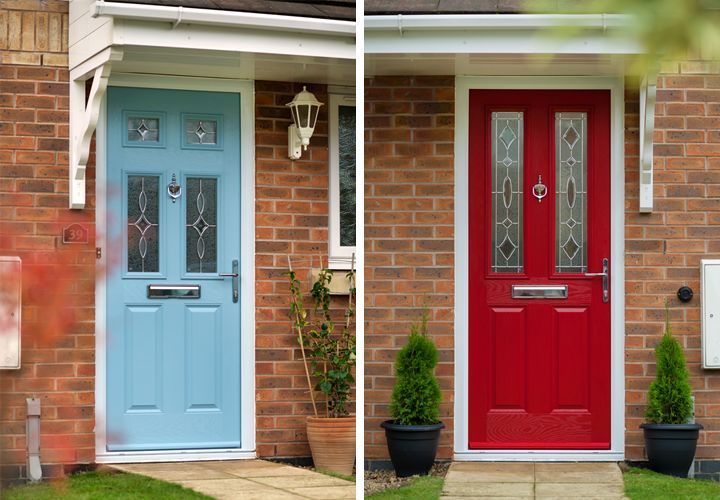
When to Replace an Old Front Door
Why Older Front Doors Can Make Your Home Feel Colder
Your front door is one of the main points where warmth can escape from your home, especially if it is old, poorly fitted or no longer sealing properly.
Over time, older external doors can start to show signs of wear. Seals may become loose, frames can shift slightly, hinges may weaken and gaps can appear around the door edge. Even small draughts can make a hallway or entrance area feel much colder, particularly during autumn and winter.
If you are not sure whether your current door is part of the problem, Needhams’ guide to
5 Signs You Need a Front Door Replacement explains the warning signs to look out for before choosing your next step.
Common signs your old front door may be affecting comfort include:
- A noticeable draught around the edges of the door
- Cold air coming through the letterplate or threshold
- A hallway that feels colder than the rest of the house
- A door that sticks, drops or no longer closes tightly
- Visible gaps around the frame
- Condensation around the entrance area
- A tired appearance that affects the front of your home
Replacing an old front door with a composite door can help address these issues by improving the fit, strengthening the entrance and helping to reduce heat loss.
For many homeowners, it is also a manageable first step into improving their home without taking on a larger renovation project.
Are Composite Doors Energy Efficient?
Energy Efficiency, Durability and Weather Resistance: The Features Behind Composite Doors
Composite doors are designed to offer better performance than many older timber, uPVC or poorly fitted external doors.
Instead of being made from one single material, they are built using a combination of materials that work together to provide strength, durability, security and insulation.
This construction is one of the main reasons composite doors are often chosen by homeowners looking to improve energy efficiency.
A quality composite door usually includes:
- A strong, insulated core to help reduce heat transfer
- Durable outer layers designed to withstand everyday weather
- A secure frame that helps the door sit properly in place
- Weather-resistant seals to help reduce draughts
- A suitable threshold to limit cold air entering at floor level
- Glazing options that can be chosen with thermal performance in mind
The energy efficiency of a composite door does not come from one feature alone. It comes from the way the door, frame, seals, glazing and installation all work together.
That is why it is important to look beyond colour and style when choosing a new front door. A door may look smart, but if it is not well made or properly fitted, it may not perform as well as it should.
Are composite doors draught-proof?
How the Door, Frame and Seals Work Together for Energy Efficiency
Composite doors are designed to offer strong thermal performance, especially when compared with many older timber, uPVC or poorly fitted external doors.
Rather than being made from one single material, they are built using a combination of materials that work together to support insulation, durability, security and weather resistance.
A quality composite door will usually include an insulated core, strong outer layers, weather-resistant seals and a secure frame.
These features help limit heat transfer through the door, while also helping to reduce cold air entering around the edges.
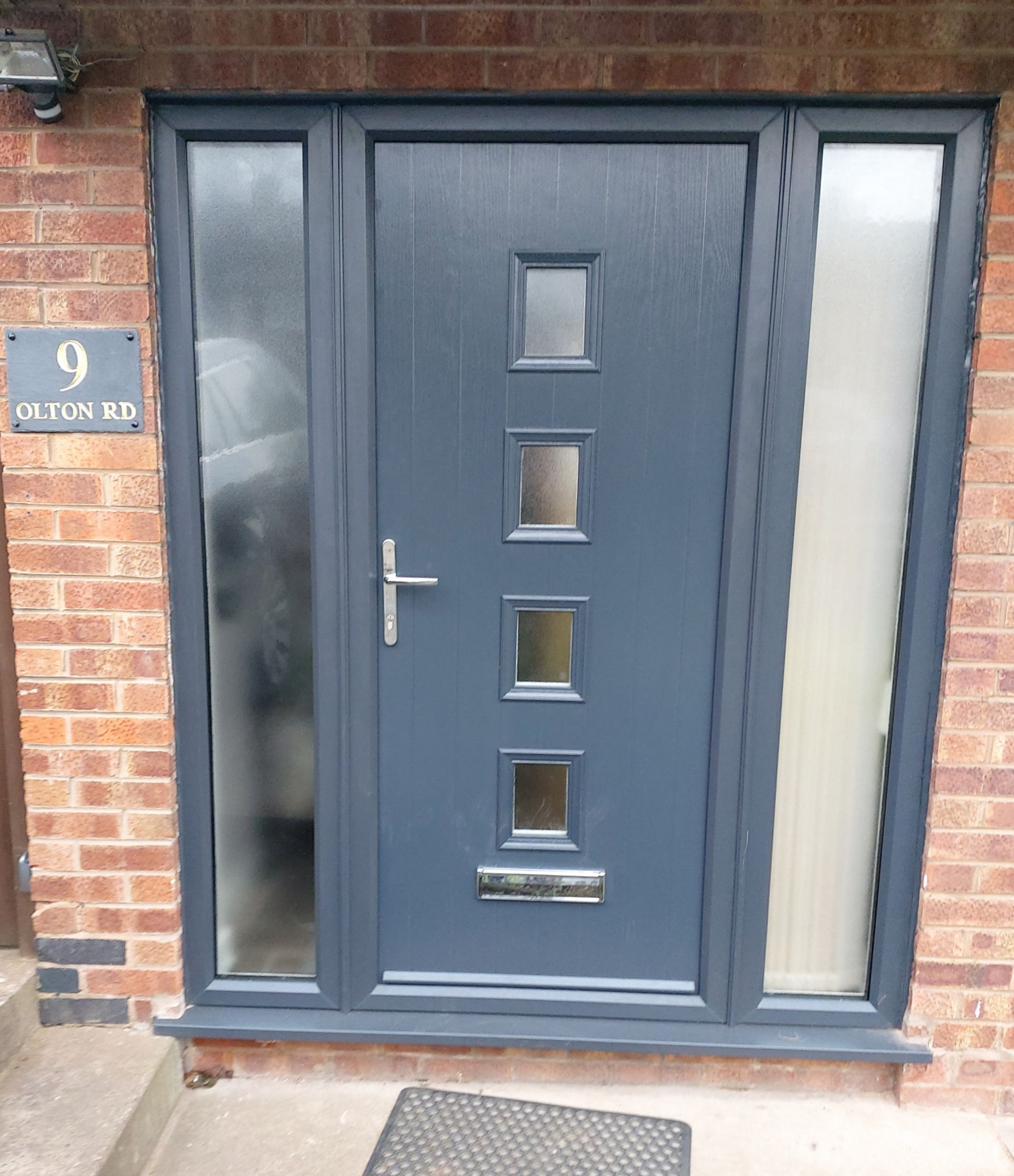
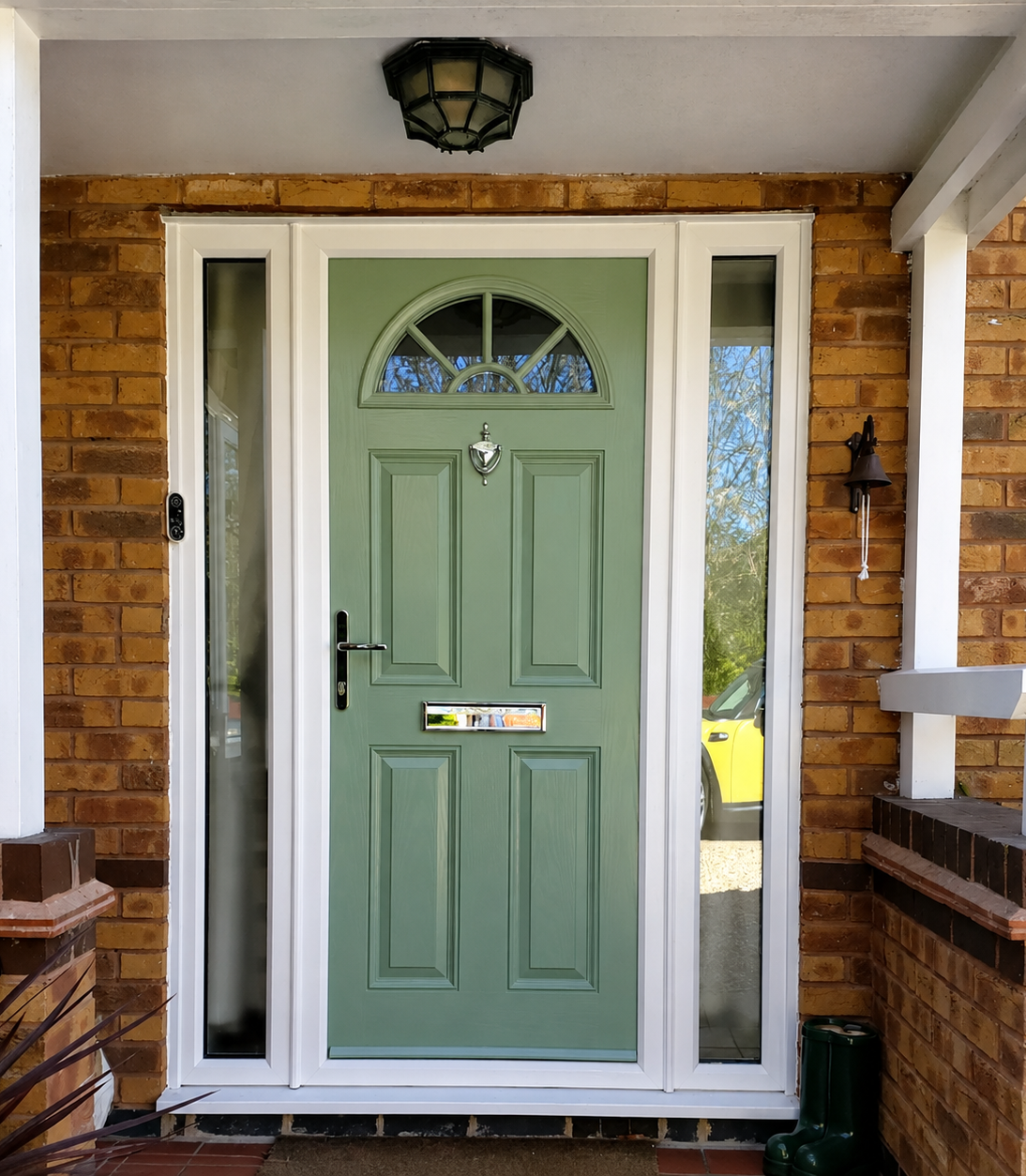
Reducing Draughts Around the Front Door
Draughts often appear when an old door no longer closes tightly, the seals have worn down, or small gaps have opened around the frame, threshold or letterplate.
A well-fitted composite door is designed to create a tighter, more secure fit when closed, helping to reduce cold air coming in and warm air escaping.
This can make the entrance to your home feel less exposed during colder months.
The fitting matters just as much as the door itself. Even a high-quality composite door may not perform properly if it is poorly measured, badly fitted or not sealed correctly around the frame..
A Warmer Welcome to Your Home
A composite door can help your home feel warmer, particularly if your current front door is old, draughty or poorly fitted.
The biggest improvement is often felt around the entrance area.
A well-fitted composite door can help make hallways, porches and nearby rooms feel more comfortable by reducing unwanted cold air and improving insulation at one of the key access points into the home.
A new front door will not solve every energy efficiency issue on its own. Windows, loft insulation, wall insulation, flooring and heating systems all affect how well your home holds warmth. But if your existing front door is one of the weaker points in your home, replacing it with a composite door can be a practical and worthwhile upgrade.
Style, Security and Energy Efficiency in One Upgrade
One of the main benefits of composite doors is that they can improve energy efficiency without limiting your choice of style.
For many homeowners, the front door is one of the first things they want to improve because it affects how the home looks from the outside, how secure the entrance feels and how confident they feel when visitors arrive.
Composite doors are available in a wide range of colours, finishes, glazing designs and hardware options.
Whether you prefer a classic style, a modern finish or something that suits the age and character of your property, there are plenty of ways to choose a door that looks right while still supporting insulation, security and long-term performance.
The Needhams composite door designer tool can help you explore styles, colours and finishing touches before making a decision, giving you a clearer idea of what your new door could look like.
Ready To Upgrade Your Front Door?
Choosing a composite door can lead to long-term savings on your energy expenditure.
Trusted Composite Door Installers
Why Choose Needhams for Your Composite Door? 40+ Years of Experience, Clear Advice, Quality Installation and No Pressure
When replacing your front door, you want to know you’re choosing the right product, paying for something that will last and working with a team that will fit it properly.
A composite door can make a real difference to the warmth, security and appearance of your home, but only when it is measured, supplied and installed with care.
Needhams provide a clear, friendly installation process, helping you understand your options before any decisions are made. That means you can compare styles, colours, glazing, security features and insulation benefits without feeling rushed or pressured.
Why Homeowners Choose Needhams:
✓ Over 40 years of experience in home improvements
✓ Clear advice on composite door styles, glazing and security options
✓ Proper measuring and fitting to help reduce draughts and support energy efficiency
✓ A wide range of colours and finishes to suit your home
✓ Free composite door designer tool to help you visualise your options
✓ Friendly guidance with no pressure to choose extras you do not need
With Needhams, replacing your front door does not need to feel complicated. You get practical advice, quality installation and a door designed to look good, feel secure and perform properly for years to come.
Ready to Replace Your Old Front Door Without the Guesswork?
Start With Clear Advice or Try Our Composite Door Designer
If your current front door feels cold, dated, insecure or difficult to close properly, a composite door could be a practical upgrade for your home.
Needhams can help you explore your options, compare colours and styles, and choose a door that supports better insulation, security and kerb appeal.
You can start by using the free composite door designer tool to see what different styles could look like, or speak to the Needhams team for friendly advice and a clear, no-obligation quote.
Composite Door Energy Efficiency: FAQs for Homeowners
Got a Question About Energy Efficient Composite Doors? We’ve Answered Them Below
Ready to Replace Your Old Front Door Without the Guesswork?
Start With Clear Advice or Try Our Composite Door Designer
If your current front door feels cold, dated, insecure or difficult to close properly, a composite door could be a practical upgrade for your home.
Needhams can help you explore your options, compare colours and styles, and choose a door that supports better insulation, security and kerb appeal.
You can start by using the free composite door designer tool to see what different styles could look like, or speak to the Needhams team for friendly advice and a clear, no-obligation quote.
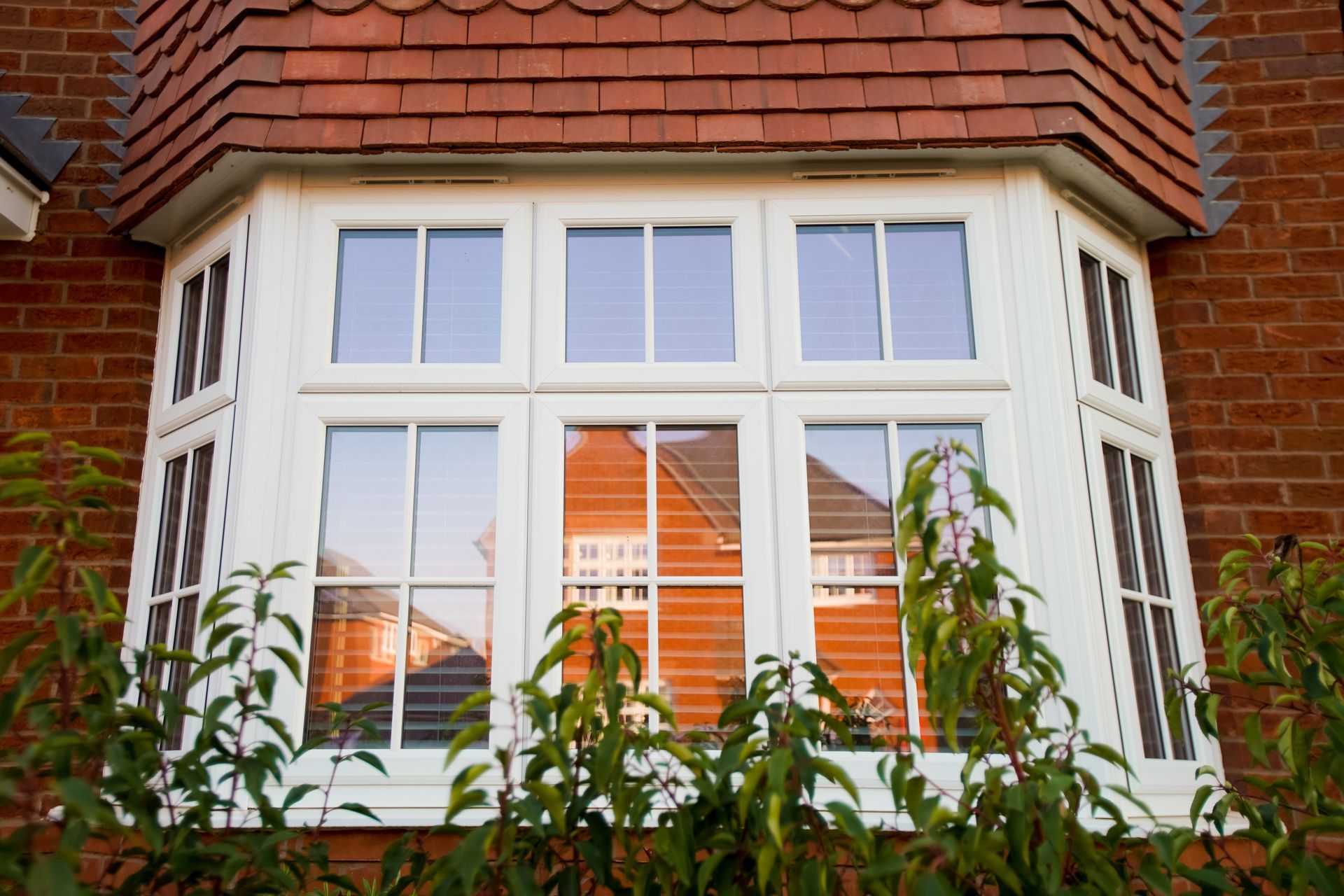

What Affects the Timeline to Build and Install a Conservatory - And What Happens During the Process?